


Punjab Irrigation
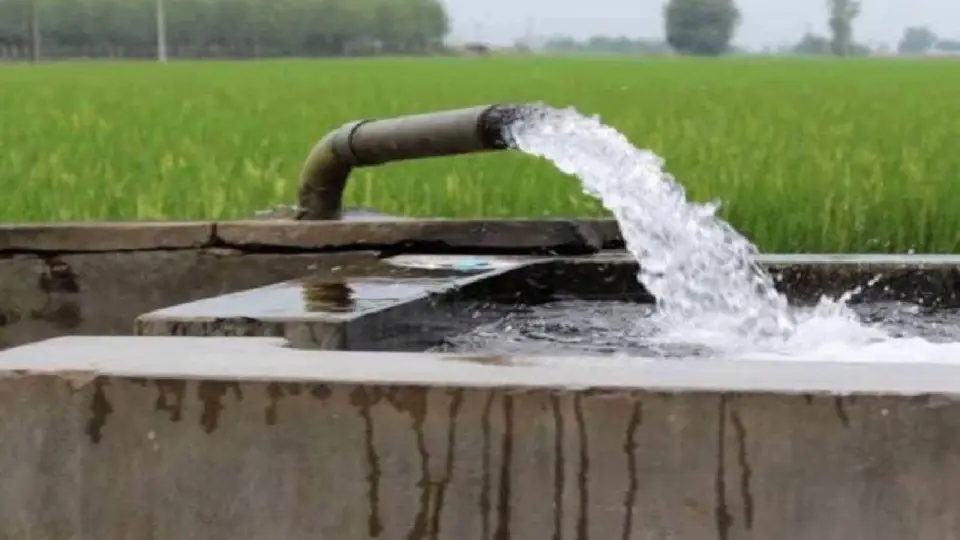
Punjab News: Canal water once reached only 68 percent of farms across the state. Now, it is flowing to nearly 84 percent of agricultural land. This jump has come through strong planning and execution, not speeches. Farmers in dry belts are seeing water after 35 to 40 years. The joy on their faces is the real proof of success. For them, water is more than a facility. It is life returning home. Irrigation reform has become visible at the village level.
The state implemented a 14-point program under the Integrated Provincial Water Scheme. Under this plan, 15,914 waterways were restored. Water supply has resumed in 916 canals and minors. This has pushed irrigation into corners that were left out earlier. The project focused on fixing what was damaged, not building only new structures. The repair work has been quiet but effective. It shows strong administration working steadily on the ground.
To stop water wastage and loss in transit, 2,400 kilometers of underground pipelines have been laid. These pipelines bring water directly to farms. As a result, 30,282 hectares have received new irrigation support. Pipelines mean less leakage, more water saved, and higher crop chances. Farmers are seeing a clean, fast supply up to their boundaries. The system is built for long-term use. It makes older canals useful again.
In Sri Anandpur Sahib, farmers watched water enter their fields through pipelines for the first time in decades. Many became emotional on the spot. They thanked Chief Minister Bhagwant Singh Mann and local MLA Harjot Singh Bains. For them, this water is not just irrigation. It is hope. It is stability. It is the end of years of waiting. Villages once marked as dry zones are now turning green again. This is the story behind the numbers.
Punjab faced a serious groundwater crisis for years. Now, 300 million liters per day of treated water is coming through 28 projects. Farmers are being pushed towards modern irrigation systems. There is 90 percent subsidy for group drip systems and 50 percent for individual systems. Solar-lift irrigation and water harvesting structures have reached 160 sites and 125 villages in the Kandi belt. The goal is to grow more using less water. It protects the future.
Chief minister Bhagwant Singh Mann says this is about more than supply. It is a complete plan to deliver water to every farm. Punjab wants irrigation that is modern, disciplined and fair to all. This strategy also adds value to farmers. Productivity goes up if water reaches on time. The government wants every farmer to trust the system. Confidence is rebuilding through results, not promises.
Agriculture is Punjab’s identity. When irrigation fails, everything suffers. This improvement gives farmers new courage to plan crops ahead. It makes agriculture sustainable in a changing climate. Villages look at canal water with pride again. The state is showing how policy and execution can shape a better tomorrow. The smiles in the fields show the real success. Punjab’s future looks stronger when every drop reaches the soil on time.













Copyright © 2025 Top Indian News


